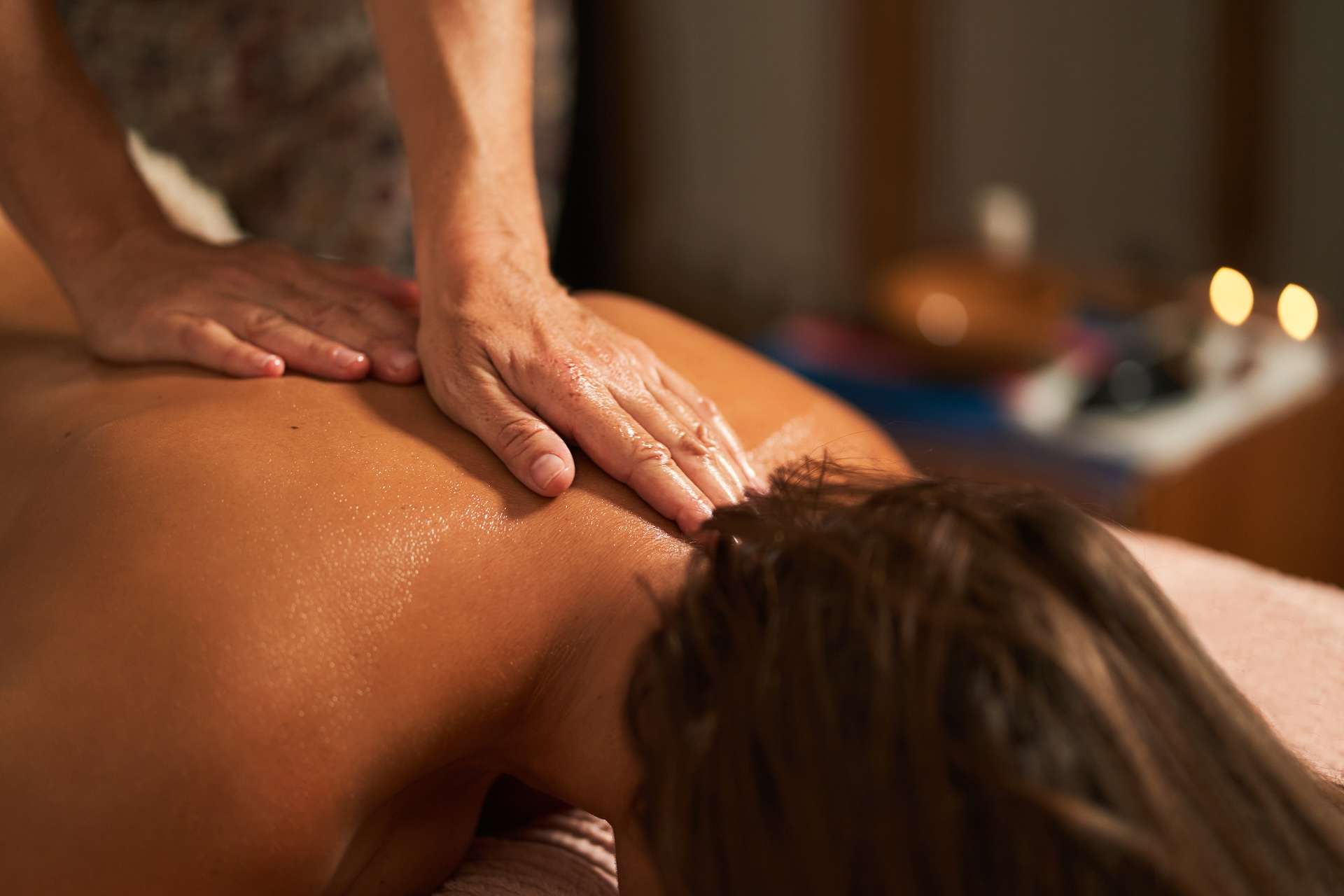
What is a Pregnancy Massage? Benefits and Safety Guidelines Explained
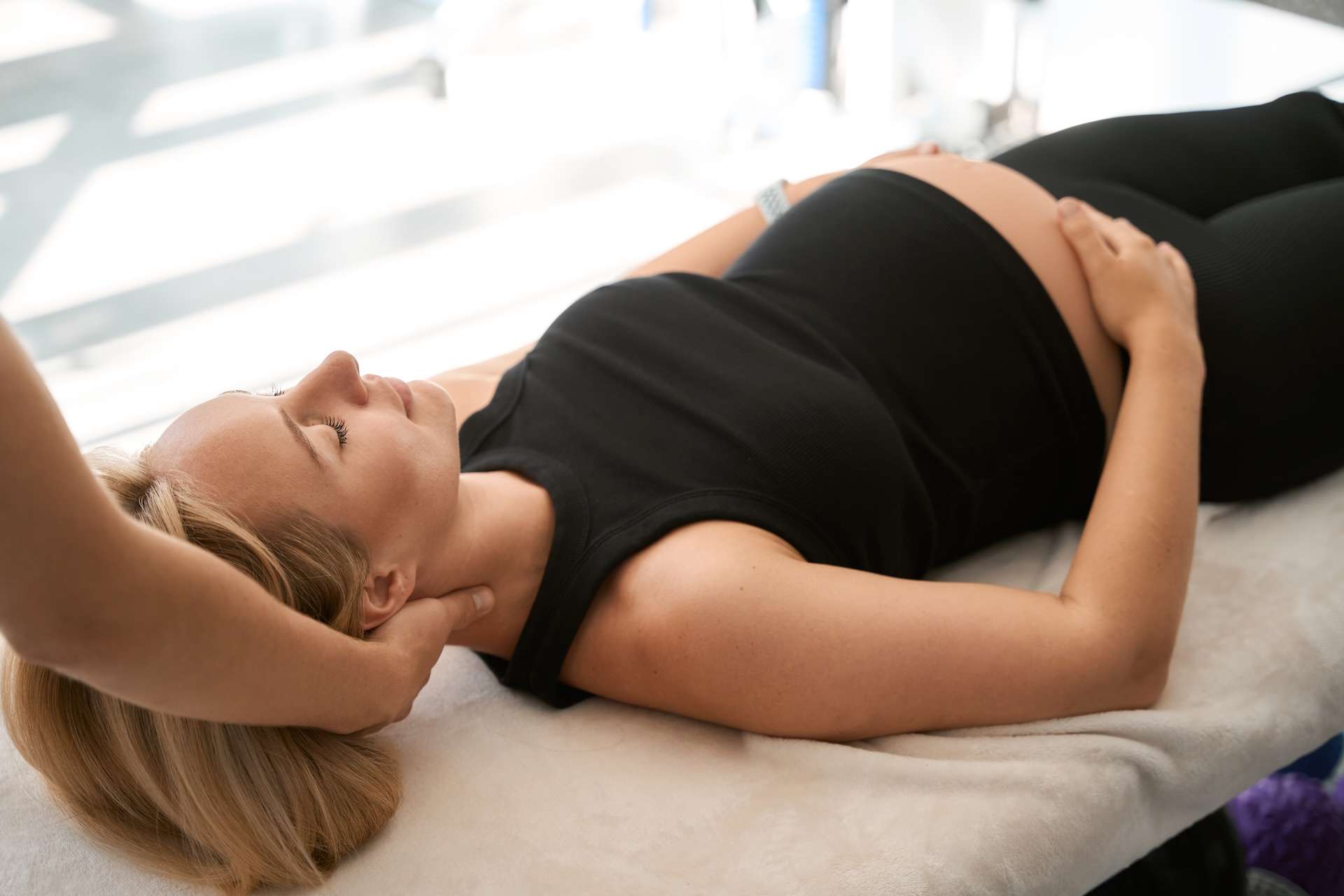
A pregnancy massage is a gentle, therapeutic treatment designed specifically for mums-to-be, using adapted techniques and safe body positions throughout each stage of pregnancy.
During your session, you’ll lie comfortably on your side with supportive pillows, while your therapist uses soft, slow movements to ease muscle tension, improve circulation, and reduce pregnancy-related aches.
Pregnancy massage is generally recommended after the first trimester, as this is when your body is more stable, and the treatment can safely relieve swelling, back pain, hip discomfort, and stress.
Understanding how a prenatal massage differs from a standard massage helps you choose the right treatment and ensures both your comfort and safety throughout pregnancy.
What is a Pregnancy Massage? – Alma’s Organic Beauty Quick Take
A pregnancy massage is a gentle therapy designed to relieve tension, swelling, and discomfort during pregnancy. It improves circulation, reduces stress, and supports relaxation for both mother and baby.
Key Takeaways
-
Pregnancy massage is a specialised form of therapeutic bodywork created to support expectant mothers and address the unique physical changes that occur during pregnancy.
-
Sessions usually last 60–90 minutes and are performed with the client lying on their side with supportive cushioning to ensure comfort and safety.
-
Treatment focuses on easing swelling, back pain, hip tension, and improving circulation using gentle to medium pressure.
-
Prenatal massage is generally recommended after the first trimester (from 14 weeks) and should always be carried out by a therapist trained in pregnancy massage.
-
Benefits may include reduced stress levels, improved relaxation, and better overall comfort during pregnancy; however, claims such as shortened labour should be viewed cautiously as evidence is limited.
What Is a Pregnancy Massage (or Prenatal Massage)?

A pregnancy massage, also known as a prenatal massage, is a specialised form of therapeutic bodywork designed specifically for expectant mothers.
This treatment focuses on the unique physical changes and emotional stresses you may experience throughout pregnancy.
A trained therapist uses gentle, pregnancy-safe techniques to improve circulation, reduce stress, and ease muscle tension, especially from the second trimester onwards.
You’ll usually be positioned on your side with supportive cushions, ensuring comfort and safety at every stage of treatment.
Beyond easing aches and pains, pregnancy massage supports your overall well-being, helping you feel more relaxed and comfortable during this important time.
How Pregnancy Massage Differs from Standard Massage
Pregnancy massage differs from a standard massage because it includes specific safety adjustments designed to protect both you and your baby.
Instead of deeper pressure techniques used in regular massage, your therapist applies gentle, controlled pressure that avoids areas and positions unsafe during pregnancy.
You’ll be positioned on your side with supportive cushions, rather than face-down or flat on your stomach, to maintain comfort and improve blood flow.
The therapist focuses on pregnancy-related discomfort, such as lower back pain, hip tension, swollen legs, and shoulder strain caused by postural changes.
This specialised approach ensures you receive a safe, calming, and effective treatment tailored to your prenatal needs.
What to Expect During a Pregnancy Massage Session
When you arrive for your pregnancy massage, your therapist will begin with a short consultation to understand how far along you are, any medical concerns, and the areas where you need the most relief.
You’ll then be positioned in a comfortable side-lying position using supportive cushions to keep your body aligned and your baby safe.
-
Sessions usually last 30-60 minutes, depending on your needs
-
Your therapist will use gentle to medium pressure, avoiding deep tissue work and unsafe pressure points
-
Techniques focus on relieving back pain, hip tension, leg swelling, and shoulder tightness
-
Your position will be adjusted as needed to maintain proper circulation and comfort
-
After the massage, you’ll be given advice on hydration and simple self-care tips to extend the benefits
Your safety and comfort remain the top priority throughout, ensuring a relaxing and supportive prenatal experience.
Benefits of Pregnancy Massage for Mother and Baby

Pregnancy massage provides a range of proven physical and emotional benefits that support both you and your baby throughout pregnancy.
You’ll experience reduced swelling in your legs, ankles, and feet as massage helps improve circulation and lymphatic flow.
This gentle therapy also eases lower-back pain, hip discomfort, shoulder tension, and other common pregnancy aches caused by postural changes.
Regular sessions can help lower stress and anxiety, which supports overall maternal well-being and may positively influence the baby. Massage also encourages better sleep, improved mood, and a greater sense of relaxation during pregnancy.
While some studies suggest prenatal massage may contribute to shorter labour times or smoother delivery experiences, these effects vary and should be viewed as potential, not guaranteed benefits.
Overall, pregnancy massage offers a safe, nurturing way to support your physical comfort and emotional balance throughout pregnancy.
Is Pregnancy Massage Safe During All Trimesters?
Pregnancy massage can be safe and beneficial, but timing and proper technique are essential for your well-being.
Most therapists and professional associations recommend starting pregnancy massage after the first trimester (from 14 weeks) because early pregnancy carries a naturally higher risk of miscarriage, and many clinics avoid treating during this period as a precaution, not because massage has been shown to cause harm.
During the second and third trimesters, side-lying positions with proper cushioning are important to maintain comfort and support healthy circulation.
You should always consult your midwife or healthcare provider first if you have a high-risk pregnancy, complications, or medical conditions such as pre-eclampsia, gestational diabetes, or placental issues.
For safety, make sure you work with a qualified therapist trained in prenatal massage, as they understand correct techniques, pressure levels, and positioning.
When performed correctly by a trained professional, pregnancy massage is generally safe and deeply beneficial throughout the later trimesters.
Things to Avoid During Pregnancy Massage
To ensure a safe and comfortable pregnancy massage, there are a few important precautions you should keep in mind.
You should avoid deep tissue or strong pressure, especially on the abdomen, lower back, and inner legs, as these areas are more sensitive during pregnancy.
Prenatal massage should always use gentle to medium pressure unless otherwise approved by your healthcare provider.
Most therapists recommend avoiding massage during the first trimester as a precaution, since this stage naturally carries a higher miscarriage risk, even though massage itself has not been proven to cause harm.
If you have a high-risk pregnancy, high blood pressure, severe swelling, pain, or any medical complications, speak to your midwife or doctor first before booking a session.
For safety, always choose a certified prenatal massage therapist, as they understand safe positioning, correct techniques, and which areas require extra caution.
By following these guidelines, you’ll enjoy a safe, relaxing, and beneficial massage experience throughout your pregnancy.
Helpful Tips Before and After Your Session
Preparing properly for your session can make your pregnancy massage more effective and comfortable. These simple steps will help you relax, stay safe, and enjoy the full benefits of your treatment:
-
Wear loose, comfortable clothing that’s easy to adjust before and after your massage.
-
Arrive 10–15 minutes early to complete your consultation and settle in without rushing.
-
Stay hydrated by drinking water before and after your session to support circulation and prevent lightheadedness.
-
Stand up slowly after your massage, as pregnancy-related changes can make you feel lightheaded.
-
Communicate openly with your therapist about pressure levels, discomfort, or sensitive areas so they can tailor the treatment to your needs.
Following these tips helps ensure a safe, soothing, and beneficial pregnancy massage experience from start to finish.
Why Choose Alma’s Pregnancy Massage in Brighton
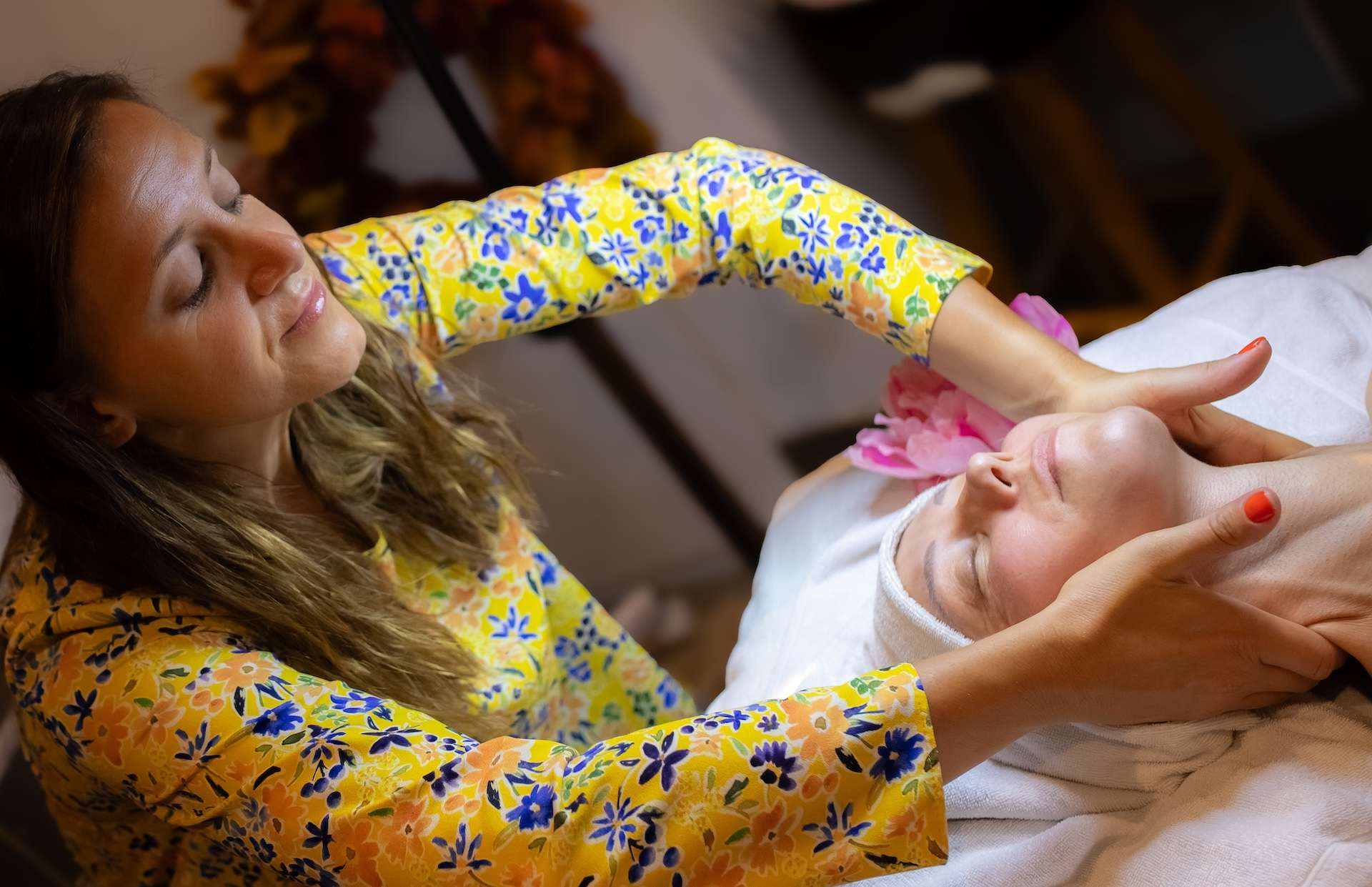
If you’re looking for specialised pregnancy massage therapy in Brighton, you’re in safe hands with me. As a certified therapist and a mum of three, I truly understand the physical and emotional changes pregnancy brings, because I’ve lived it myself.
I offer gentle, tailored treatments from the second trimester onwards, always putting your comfort first.
|
Benefits |
Features |
|---|---|
|
Relieves stress & anxiety |
Personalised, pregnancy-safe care plans |
|
Improves circulation |
Comfortable side-lying positioning |
|
Reduces muscle tension |
A calm, nurturing and supportive environment |
Your well-being is my top priority. Every session is adapted to your stage of pregnancy and your personal needs, helping you enjoy deep relaxation, targeted relief from common discomforts, and a moment of peace during your pregnancy journey.
Final Thoughts
Amid all the preparation for your baby’s arrival – decorating the nursery, folding tiny clothes, and reading every guide under the sun – it’s easy to forget about your own well-being.
But your comfort matters too.
Pregnancy massage isn’t just a luxury; it’s a powerful way to support your physical and emotional health during this life-changing time.
Backed by clinical research and trusted by mothers worldwide, it helps ease discomfort, reduce stress, and improve your quality of sleep.
So don’t wait until every movement feels like a chore. Make pregnancy massage a regular part of your self-care routine, because when you feel your best, you’re better equipped for the journey ahead.
Frequently Asked Questions
What Happens During a Pregnancy Massage?
You'll lie on your side with soft cushion support while your therapist uses gentle strokes to ease tension in your back, hips, and legs.
What Is the Difference Between a Pregnancy Massage and a Regular Massage?
Pregnancy massage uses softer pressure, avoids risky areas, and adjusts positioning for safety, unlike regular massage which uses deeper techniques and standard layouts.
When Should You Start a Pregnancy Massage?
It’s best to begin after 12–14 weeks. Starting in the second trimester ensures safety and allows you to enjoy growing benefits as your pregnancy progresses.
Is Pregnancy Massage Safe in NHS?
Yes, the NHS generally considers it safe after the first trimester, though you should always check with your midwife or GP if you have any health concerns.
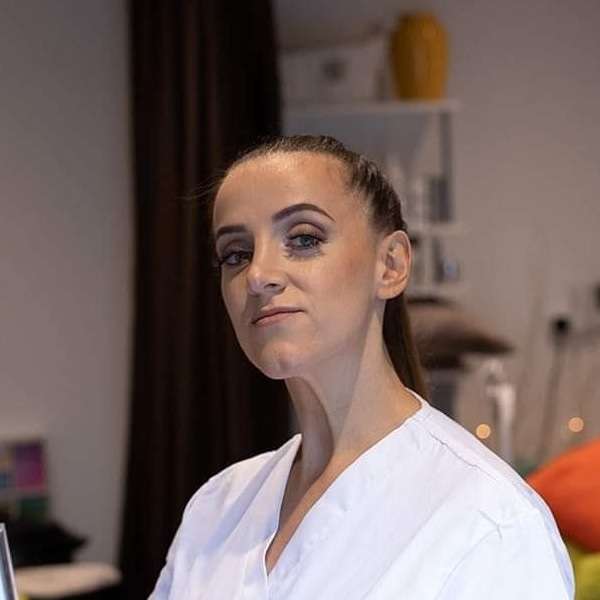
I talking lot about children and - relationships because my Bachelor’s degree is in Social Pedagogy — teaching has always been a huge part of my life.
And honestly… I am ALWAYS teaching! 😂
I teach students, I teach my clients, I teach the secrets of beauty… and apparently, life keeps teaching me too! ❤️
So I thought it was finally time to introduce my own little team. ❤️
✈️ My husband – my CAPTAIN!
Not just a pilot… a CAPTAIN! 😄
Someone I’m incredibly proud of, but most importantly, my best friend, my person and the one I can laugh with, talk to about everything and share this crazy life with. ❤️
👧🏻 My 16-year-old beautiful girl.
A girl with a heart full of love for people, life and the world. ❤️
Beautiful on the outside, but even more beautiful on the inside. My little girl who somehow became such an incredible young woman way too quickly. 🥹
👦🏻 My middle son – our little achiever.
Very organised, doing brilliantly at school and already dreaming of becoming… a pilot! ✈️
I think we’re building quite a strong aviation department in this family! 😂
⚽️ And then there’s our 6-year-old little one…
Our spoiled baby, future football star and full-time drama expert. 😂
Drama at school, drama at sports, drama everywhere! If something is happening, he is probably somewhere in the middle of it. 😄
Everyone knows him, everyone loves him, and somehow nobody can resist his charm. ❤️
🐶 And of course, Teddy, our French Bulldog and his little partner in crime.
Those two together are a dangerous combination. 😂❤️
When the house suddenly goes quiet… we know something is happening!
And me?
I teach students and clients — from beauty to emotions and life skills ...
So yes… I’m always teaching someone something. 😂
But the funny thing is, my biggest teachers are actually the people living under my own roof.
They teach me patience, love, laughter, humility… and remind me every single day that no matter how much you teach, you never stop learning yourself. ❤️
So this is us — a little bit chaotic, very loud, sometimes dramatic… but completely full of love. ❤️
#f

⛳️ Be honest, ladies… how many of my clients play golf? 😂🏌️♀️
I feel like I’m surrounded by secret golfers! 👀🤣
YES, I PLAY ⛳️
NO, BUT I WANT TO 😂
#golflife
#golfgirl
#brightonandhove
#golf
My beautiful girl, 16 today… ❤️
If I could have one wish, it would be to stop time. Just for a little while. To keep you my little girl, to hold your tiny hand in mine, to hug you a little longer and never let that moment pass.
It feels like only yesterday I was holding you in my arms, and now I’m watching this beautiful young woman grow in front of me. I’m so incredibly proud of you — more than words could ever explain.
You are my dream daughter, my heart, my biggest blessing and one of the greatest joys of my life. ❤️
No matter how old you get, no matter how far life takes you, you will always be my little girl. I will always be here to hold your hand, even when you no longer need me to.
Happy 16th birthday, my beautiful girl.
I love you more than you will ever know. ❤️🎂
Mamyte ❤️
#bestdaughterever❤️
#mummysgirl💕
#birthdaygirl❤️
#happy16th
A LITTLE PERSONAL & PRICE UPDATE 🤍
My lovely clients,
I honestly never imagined I would become this busy! 🥹🤍 I am so grateful for every single one of you and for all your continued support.
But I’ve realised that I also want to have more time with my children and my family. ❤️
So from 1st October, I will be working a little less and adjusting my prices. This will allow me to have a better balance while continuing to give every client the time, care and quality you deserve.
NEW PRICES FROM 1ST OCTOBER:
1 Hour Body Massage
£75 → £85
30 Min Body Massage
£35 → £45
Face Gym 1 h
£75 → £85
30 min face gym 35➡️45
Hollywood Wax
£45 → £50
Half Leg Wax
£25 → £30
Full legs £45➡️50
Bikini line 35➡️40
Armpits wax £17➡️20
All FACIALS £75➡️85
This wasn’t an easy decision, but I hope you understand. 🤍
I am truly thankful for every booking, recommendation and every client who has supported my small business.
Thank you for understanding and for always supporting me. 🤍
With love,
Alma x
#massagebrighton
#facialbrighton
#facegym
#waxing
Face Massages
Enhance your natural glow with expertly crafted face massages in Brighton
Body Massage
Relax and rejuvenate with massages that relieve tension and promote overall wellness
Waxing
Achieve smooth, flawless skin with professional waxing services, tailored to your specific needs
Facials
Revitalise your skin with luxurious facials, that address your unique skincare needs
Body Treatments
Indulge in comprehensive body treatments, that will nourish your skin and relax your body

Massage Lessons
Master face massage techniques with Alma’s personalised lessons, ideal for groups or events




The waxing is thorough and as painless as possible, and the deep tissue massages are incredible, they’ve really helped ease my muscle tension and always leave me feeling so much better.
Such a friendly, welcoming atmosphere with amazing attention to detail. You can tell Alma genuinely care about her clients and take pride in what she does. Five stars isn’t enough!


I attended Alma's 1-to-1 Face Massage training (Face Gym – Botokkusu Nashi, No Botox), and it exceeded all my expectations. The training was intensive, hands-on, and packed with practical work from start to finish. Alma is an incredible teacher with so much knowledge and experience. She demonstrates every movement clearly and explains everything in a way that is easy to understand and remember.
I learned so much about facial muscles, lifting techniques, and how to achieve amazing natural results without Botox. The Botokkusu Nashi (No Botox) Face Gym massage is a powerful treatment that delivers visible results while still being deeply relaxing for clients.
The studio is beautiful, professional, and welcoming, with free parking, which is a lovely bonus. Choosing the 1-to-1 training was the best decision I could have made. By the end of the day, I felt confident, inspired, and fully prepared to offer this treatment in my salon.
My clients absolutely love this facial massage, and it has quickly become one of the most popular treatments I offer. Alma was right from the beginning!
Thank you, Alma, for sharing your knowledge and passion. This was the best £750 I have ever invested in myself and my business. I cannot recommend this training highly enough.
I am already planning to return for the Gua Sha Face Massage training!
Thank you so much!